October 24, 2026
Achieving a sun-kissed appearance is a popular beauty goal, but maintaining an even-looking tan requires thoughtful skin care. Whether your skin has developed color through ultraviolet exposure or you prefer sunless tanning products, understanding how your skin responds to environmental conditions can help you maintain a consistent appearance.
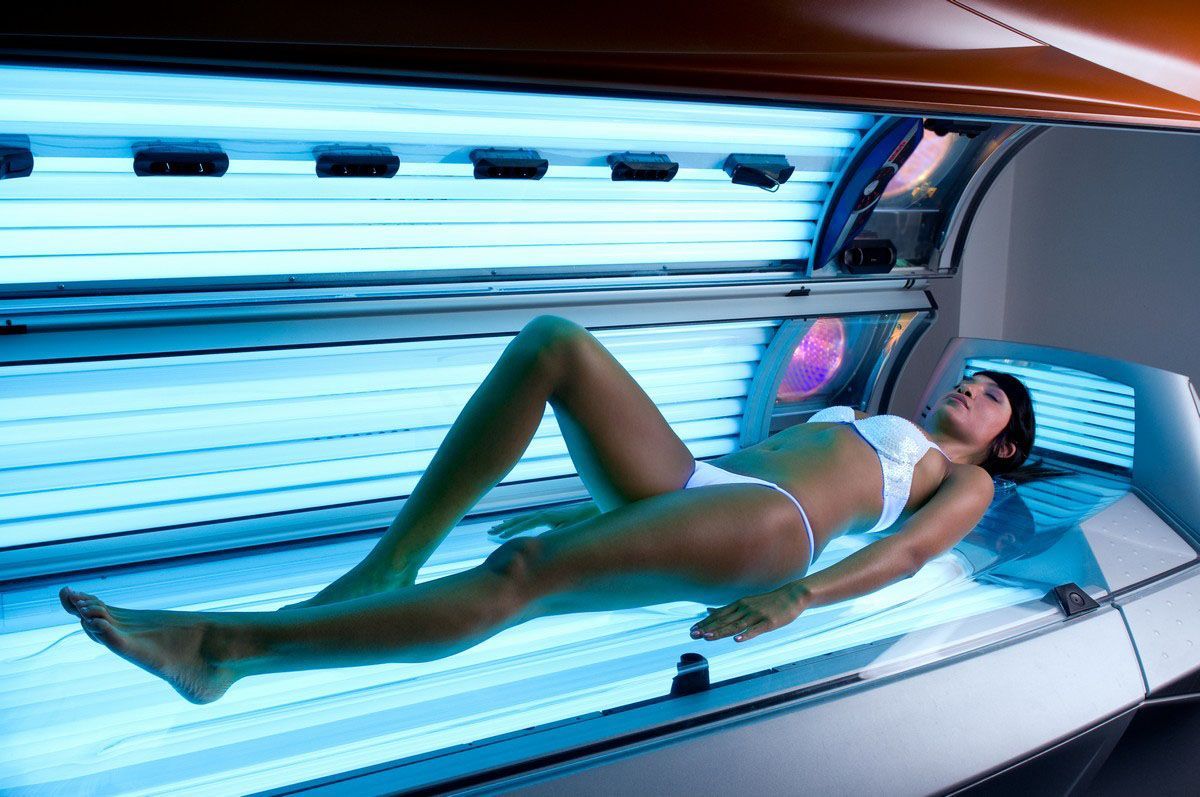
After visiting a tanning booth, your skin may feel different as it responds to ultraviolet exposure. Maintaining hydration, supporting your skin’s natural barrier, and avoiding unnecessary irritation are important considerations. However, it’s essential to understand that ultraviolet tanning represents a response to skin damage, and no indoor UV tan is considered safe.
According to the National Library of Medicine, deliberate tanning is common in Europe and the United States, with reported participation rates of 37–49% among women and 17–29% among men. Understanding the effects of tanning and the importance of responsible skin care can help individuals make more informed decisions about their appearance and long-term skin health.
Keep Your Skin Properly Hydrated
Hydration plays an important role in maintaining healthy-looking skin. When the skin becomes dry, its surface can appear rough, flaky, or uneven, which may make existing pigmentation look less consistent. Maintaining adequate moisture supports the skin’s protective barrier and contributes to a smoother overall appearance.
After exposure to a tanning booth, moisturizing products can help address dryness and support skin comfort. Fragrance-free moisturizers containing ingredients such as glycerin, ceramides, and hyaluronic acid are commonly recommended for maintaining moisture. These ingredients help attract water or reinforce the protective barrier that limits moisture loss.
Skin hydration also depends on environmental conditions and general wellness habits. Dry indoor air, harsh cleansing products, and excessive heat can contribute to moisture loss. Although drinking enough water supports overall health, topical moisturizers are generally more effective for addressing dryness on the skin’s surface.
Maintaining comfortable, well-hydrated skin may improve the appearance of an existing tan without requiring additional ultraviolet exposure.
Protect Your Skin From Excessive Heat
Heat can affect the skin’s comfort and moisture balance, particularly when the skin has recently experienced ultraviolet exposure. Hot showers, steam rooms, and prolonged exposure to high temperatures may worsen dryness or irritation, making skin appear less smooth.
Following a tanning booth session, sensitivity, warmth, or redness may indicate that the skin has experienced inflammation. These symptoms should not be interpreted as evidence of a successful tanning experience. Redness and tenderness can indicate ultraviolet injury, and significant symptoms may require medical attention.
Gentle cleansing and avoiding unnecessary heat exposure can help reduce additional irritation. Mild cleansers are preferable to products containing strong fragrances or ingredients that leave the skin feeling tight.
It’s also important to recognize that cooling the skin does not reverse ultraviolet damage. Supporting skin comfort is beneficial, but preventing future exposure remains the most effective approach to protecting skin health.
Maintain Your Skin’s Natural Moisture Barrier
The skin barrier serves as an important defense against moisture loss, environmental irritants, and external substances. When this barrier becomes compromised, the skin may experience dryness, sensitivity, or an uneven texture.
An effective skin care routine prioritizes barrier maintenance rather than aggressive treatments. Gentle moisturizing formulas and nonirritating cleansing products can support the skin’s natural functions.
After using a tanning booth, products containing strong exfoliating acids, abrasive ingredients, or concentrated active treatments may increase discomfort if the skin is already sensitive. Appropriate product selection depends on individual skin characteristics and whether irritation is present.
Ingredients such as ceramides and soothing emollients can help reinforce the skin’s protective barrier. Consistent skin care may also reduce the visible effects of dryness that sometimes make pigmentation appear patchy.
Although supportive products can improve comfort and appearance, they cannot eliminate the biological effects of ultraviolet exposure. Maintaining healthy skin requires attention to both immediate care and long-term prevention.
Reduce Your Exposure to Additional UV Radiation
Protecting your skin from further ultraviolet radiation is among the most important considerations when maintaining skin health. A tan develops because ultraviolet exposure triggers protective responses involving melanin production. This visible pigmentation indicates that the skin has already experienced UV-related damage.
Repeated visits to a tanning booth increase cumulative exposure, which contributes to premature skin aging and a greater risk of skin cancer. Indoor tanning equipment can emit substantial amounts of ultraviolet radiation, making regular use a significant concern.
Broad-spectrum sunscreen, protective clothing, and shade remain important even when the skin already appears tanned. Existing pigmentation does not provide adequate protection against additional ultraviolet damage.
Some individuals mistakenly believe that maintaining their color requires frequent tanning sessions. In reality, continuing exposure creates additional risks rather than preserving skin health. Sunless tanning alternatives can provide a similar cosmetic appearance without intentionally exposing the skin to ultraviolet radiation.
Choose Gentle Skin Care Products
Skin care products influence how smooth, comfortable, and consistent the skin appears. Harsh formulas can contribute to irritation, while gentle products help maintain the skin’s natural moisture balance.
Following a tanning booth visit, sensitive skin may benefit from avoiding strongly fragranced products, abrasive scrubs, and other potentially irritating ingredients. Skin that feels uncomfortable or appears inflamed requires particular care.
Exfoliation deserves special consideration because it removes dead cells from the skin’s surface. Although exfoliation can improve texture under appropriate circumstances, aggressive exfoliation may worsen sensitivity and temporarily create an uneven appearance.
For individuals using sunless tanning products, exfoliation can also influence how evenly artificial color fades. However, exfoliation should not be used on skin that is sunburned or otherwise irritated.
Choosing products suited to individual skin needs is generally more beneficial than relying on formulas advertised specifically for extending UV tans. Product claims should be evaluated carefully, especially when they suggest that cosmetics can prevent or repair ultraviolet damage.
Support Your Skin Through Healthy Habits
Overall wellness contributes to skin appearance and resilience. Balanced nutrition, adequate rest, and appropriate hydration help support the body’s normal processes, including those involved in maintaining healthy skin.
A varied diet containing fruits, vegetables, proteins, and healthy fats provides nutrients involved in normal skin function. However, no particular food or supplement can prevent the damage associated with ultraviolet tanning.
Regular sleep is another consideration because normal tissue maintenance and recovery depend on broader physiological processes. Consistent rest supports general well-being, although it does not reverse existing UV damage.
Individuals who have visited a tanning booth should also remain attentive to changes in their skin. Persistent redness, unusual sensitivity, or changes in existing moles deserve appropriate evaluation.
A comprehensive approach to skin wellness emphasizes prevention, gentle care, and awareness of individual skin changes. These priorities can support appearance while reducing unnecessary exposure to potentially harmful conditions.
Explore Safer Ways to Maintain a Sun-Kissed Appearance
For individuals who enjoy a bronzed appearance, sunless tanning products offer an alternative to continued ultraviolet exposure. Cosmetic self-tanners typically contain dihydroxyacetone, an ingredient that temporarily darkens the outermost layer of skin.
Unlike ultraviolet tanning, these products do not depend on stimulating melanin production through radiation-related skin damage. Their cosmetic results gradually fade as surface skin cells naturally shed.
Someone considering another tanning booth appointment solely to maintain existing color may find that professional spray tanning or other sunless options better align with their skin health priorities.
Sunless tanning products still require thoughtful selection, especially for sensitive skin. They also do not provide meaningful protection against ultraviolet radiation, so sunscreen and other protective measures remain necessary.
Understanding these differences allows individuals to pursue their preferred appearance while making choices that better support long-term skin health.
Prioritize Healthy Skin for Lasting Results
Maintaining smooth, hydrated skin can help preserve an even-looking appearance as existing pigmentation naturally fades. Gentle cleansing, barrier-supporting moisturizers, and avoiding unnecessary irritation all contribute to skin comfort.
Although visiting a tanning booth may produce temporary darkening, extending that appearance should never come at the expense of skin health. Additional ultraviolet exposure increases cumulative damage, while sunless alternatives offer opportunities to maintain a bronzed look without intentional UV tanning.
Ultimately, healthy skin care focuses on protection, consistency, and informed product choices rather than prolonging the effects of ultraviolet exposure.
At LeTanLeBronze Sun Solarium & Wellness, we welcome conversations about your appearance preferences and skin care goals. Our team can discuss our available services and help you understand your options. Contact us to learn more about our offerings and consider which approach best aligns with your personal preferences and skin health priorities.